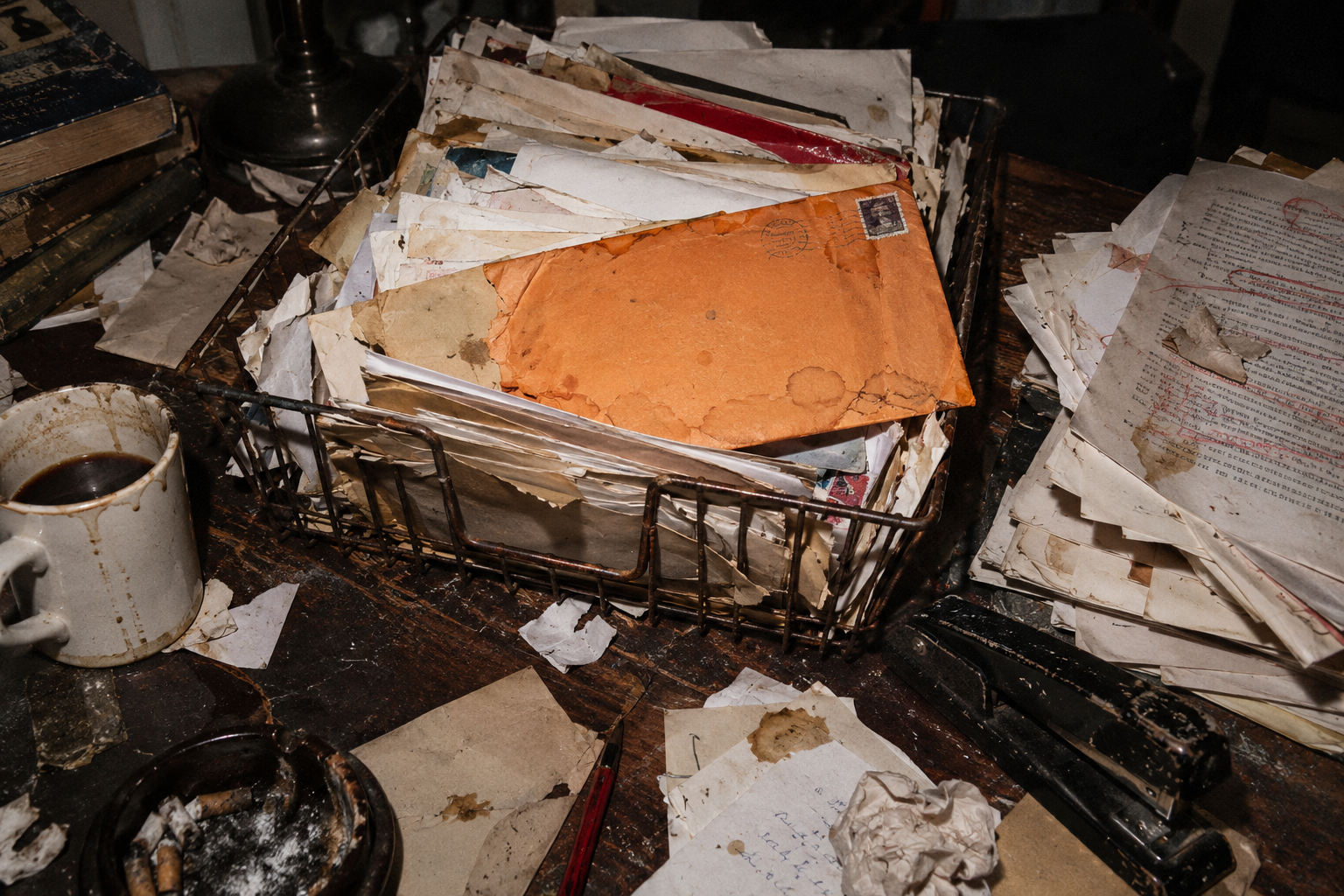
Nobody bought my zine until I stopped selling it.
I brought a beautifully printed art publication to a craft market. The woman selling ceramic dishes needed packing material.
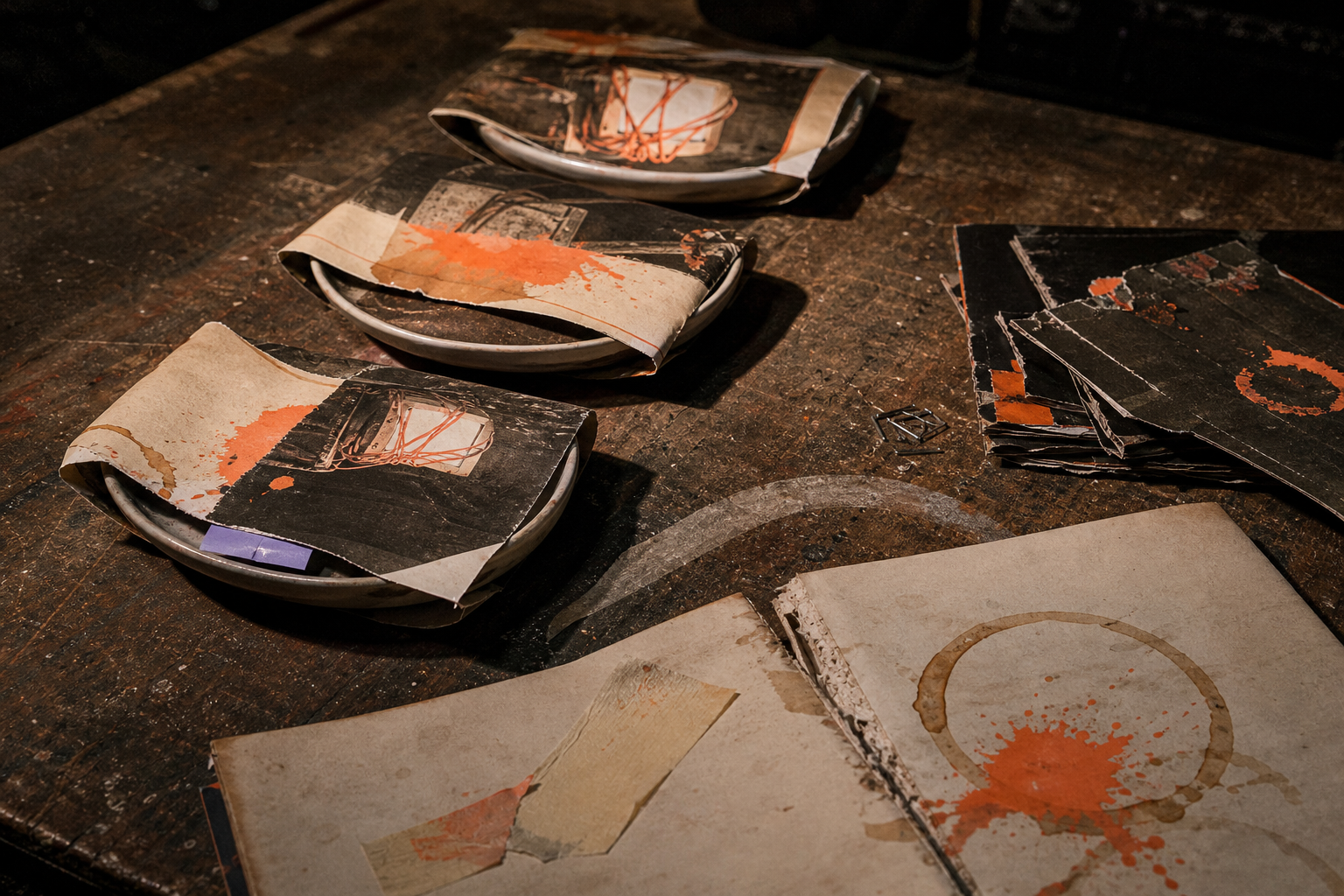
I sold my first copy folded around a ceramic dish. The buyer seemed pleased. She hadn't asked about the publication and would probably throw it away upon reaching home, but money had changed hands in the vicinity of my work. I was counting it.
The market opened at ten. I'd arrived at eight with forty copies of a zine, a cloth for the table and a small stand explaining the paper stock. The stand was necessary. Without assistance, visitors might mistake the expensive paper for ordinary expensive paper and fail to appreciate the distinction.
My neighbour sold little ceramic dishes. She unpacked them from a plastic crate, put prices beside them and went to get coffee. No statement. No lengthy account of her relationship with clay. I found the confidence irritating. Her entire sales presentation could be understood from a standing position.
I had spent the previous evening rehearsing an answer to "What's it about?" The zine contained photographs of damaged shop signs, drawings made from the photographs and a short essay about lettering. Describing it took longer than turning its pages. I had tried calling it a study of commercial language. This made it sound useful, a promise I couldn't comfortably fulfil.
The first visitor picked up a copy. I gave her the short explanation, which included three separate uses of the word process. She asked whether the signs were from this town. No. She put it down. I'd brought the wrong fucking town. I'd prepared to discuss meaning, printing and authorship; I had failed to anticipate the location of the subjects.
Across the gap, my neighbour sold a dish to someone who wanted somewhere to put earrings. The conversation lasted twelve seconds. I watched the customer leave with a small bag and a problem solved. My publication offered no comparable improvement to the storage of jewellery.
A man asked whether mine was a notebook. I explained the printed content. He flicked through it and asked if there was a blank version. There wasn't. He thanked me and moved on. I began to suspect the public had arrived with an unreasonable preference for objects they could use.
By eleven, I'd rearranged the copies three times. A flat stack suggested abundance, which might discourage urgency. A fan displayed the covers but concealed how many remained. Standing copies made the table resemble a tiny bookshop containing evidence of a single purchasing error. I settled on two stacks and a display copy open at my strongest photograph.
My neighbour asked how it was going. I said people were engaging with the work. A visitor had accidentally put her coffee on the open spread, which qualified as engagement through an established physical process. The ring missed the lettering and improved the composition enough to annoy me.
At noon, a child pointed at a photograph of a broken bakery sign. He wanted to see the bakery. I explained it had closed. He asked why I'd made a book about somewhere he couldn't visit. His parent apologised. Unnecessary. The question was far more useful than anything from the people who had praised the binding before leaving.
I bought a sandwich and ate behind the display stand. From this angle, my statement about paper stock was facing me. I read it twice and crossed out a sentence using a pen borrowed from the ceramic stall. Removing it left a large blank area. I wrote the price there. My neighbour said this was clearer. I said the original hierarchy had been intentional.
She ran out of wrapping paper shortly after one. A customer wanted three dishes, which needed separating inside a bag. I offered a spare sheet from my crate. There were none. Plenty of publications, each containing multiple sheets of the finest paper I could afford, but no spare paper. An absurd distinction to explain to a woman holding three dishes.
I sacrificed the coffee-ringed display copy. She wrapped a dish in its centre spread and pressed the corners inward. My photograph disappeared under a ceramic base. The cream paper and orange ink worked beautifully against the glaze. She tied the package with string. It was the most convincing application of my design skills I'd witnessed throughout the morning.
The customer asked whether the wrapping came with the purchase. My neighbour said yes and glanced at me. I nodded. We had established a distribution agreement through eye contact, an efficiency unavailable during the six weeks I'd spent preparing the zine.
A second customer requested the same wrapping. My neighbour offered to buy a few copies for packaging. I began calculating a discount, pausing to account for print costs, table fees and the emotional difficulty of selling an essay by weight. She named a small amount. I accepted before she could discover newsprint.
For the next hour, I tore pages carefully along the staples. Care mattered. A clean edge made the packages appear deliberate. My essay worked particularly well around the shallow dishes, its paragraphs curving neatly beneath the string. The photographs suited the larger ones. Nobody needed me to explain the paper; they were holding it.
A visitor asked if I had more of the orange wrapping. I handed her a complete zine and quoted the original price. She hesitated. I offered to remove the staples. Sold. My first direct transaction of the afternoon required dismantling the product in front of its purchaser.
At closing, I counted the money beside a small pile of bent wire. My neighbour packed her remaining dishes into the crate. I asked whether she'd be attending next month. She said yes. On the train home, I opened the print file and deleted the page numbers. They had been interfering with the folds.