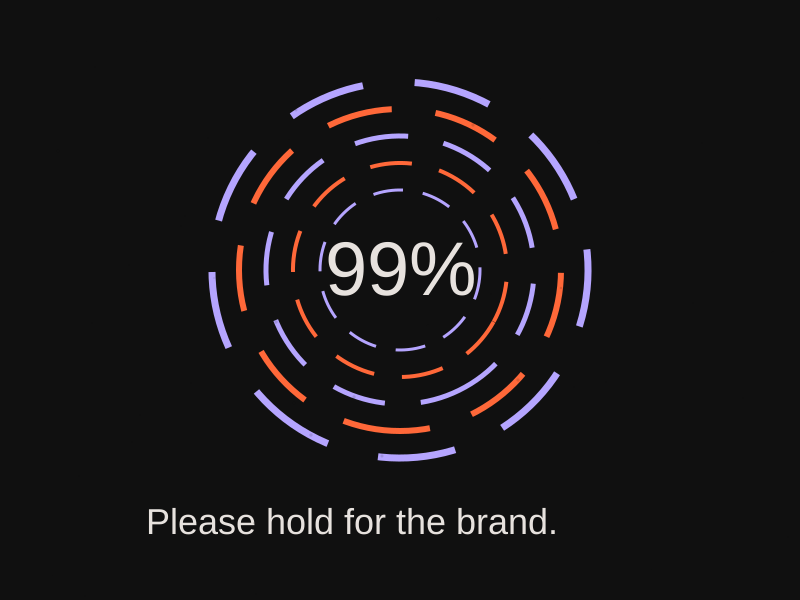
The logo animation has requested its own dressing room
Six seconds of choreography before you are allowed to learn what the company does.
Revision hell
The brief requests something nobody has seen before. Please attach three proven examples.
A room asks for originality, then votes for the option closest to the reference everyone already recognises.
Familiarity is comforting. That does not make the room foolish, but it does make “we want something different” a sentence worth interrogating before the work begins.
Ask what kind of difference the project can support. A new tone? An unfamiliar format? A clearer position than competitors? Pick a meaningful departure rather than trying to make every visible decision unprecedented.
Explain your references through the ideas they demonstrate. Borrowing a principle is different from tracing an execution. If a reference is doing nearly all the thinking, close it and make a rough version from the brief alone.
Compare the result against the audience's needs. Novelty that makes the message harder to understand is not automatically brave; sometimes it is simply expensive confusion.
There will probably still be a moment when someone asks to see the safe version. Keep the reasoning close. A presentation needs more than an inspirational adjective to defend a decision.
Six seconds of choreography before you are allowed to learn what the company does.
Revision hell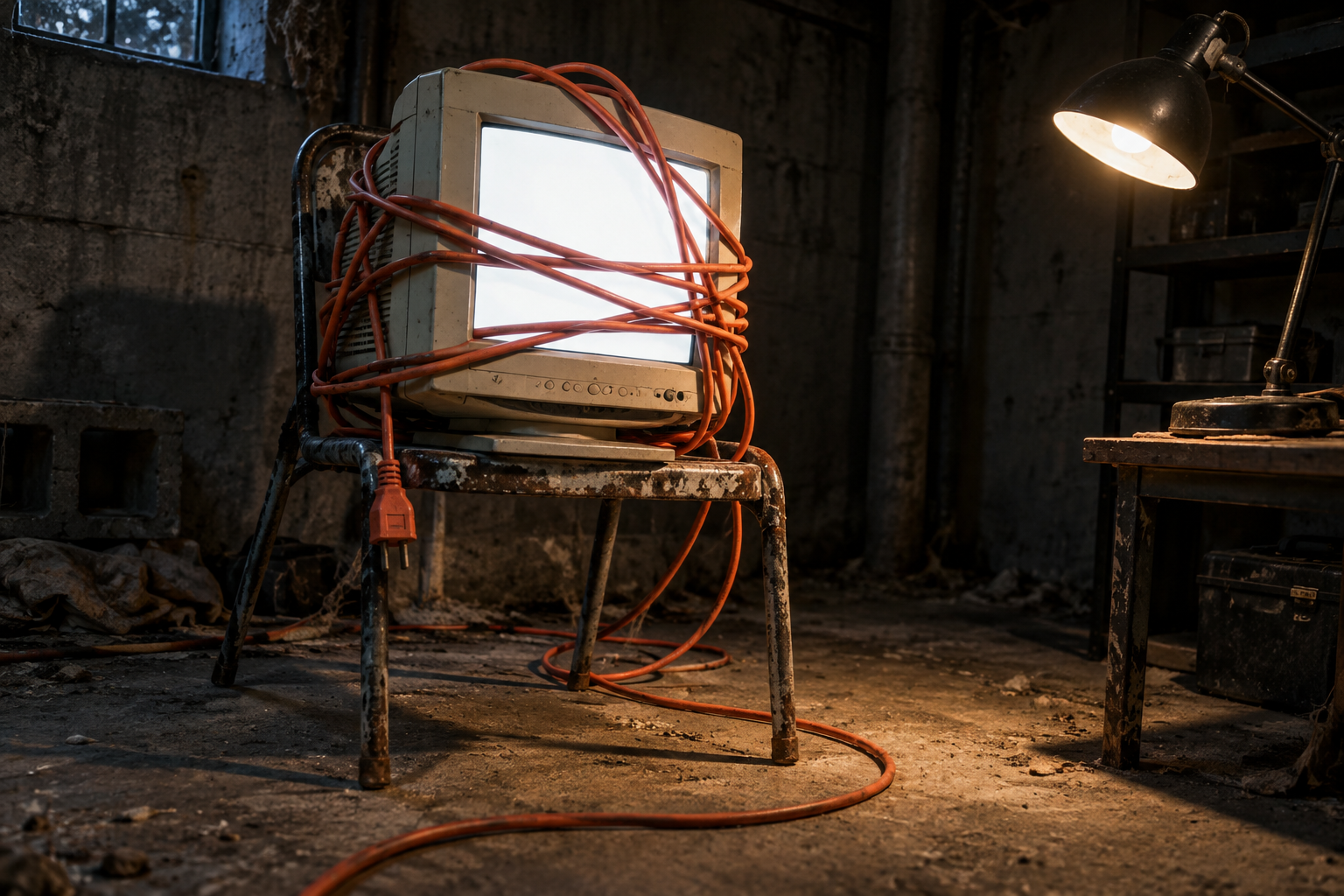
Everyone wants something fresh, provided it has already been approved.
Revision hell
The invoice arrived safely. Its recipient has apparently been relocated by federal agents.
Revision hell